Latest Post
Coriander
Written By Unknown on Sunday, 13 January 2013 | 21:22
A Brief Introduction:
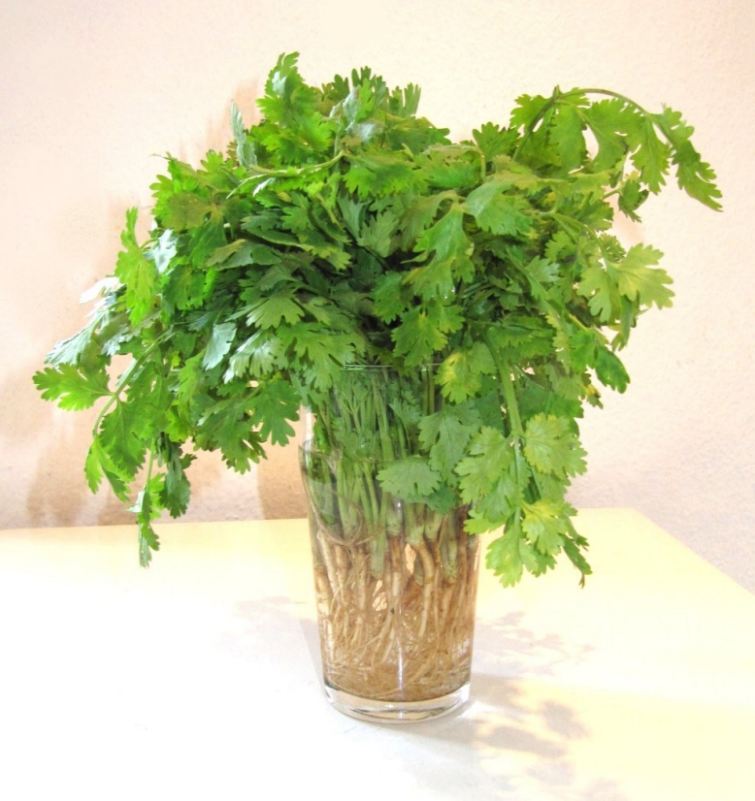
 Coriander (Coriandrum sativum), also known as cilantro, Chinese parsley or dhania, is an annual herb in the family Apiaceae. Coriander is native to regions spanning from southern Europe and North Africa to southwestern Asia. It is a soft, hairless plant growing to 50 cm (20 in) tall. The leaves are variable in shape, broadly lobed at the base of the plant, and slender and feathery higher on the flowering stems. The flowers are borne in small umbels, white or very pale pink, asymmetrical, with the petals pointing away from the centre of the umbel longer (5–6 mm) than those pointing towards it (only 1–3 mm long). The fruit is a globular, dry schizocarp 3–5 mm (0.12–0.20 in) in diameter.
History: Coriander grows wild over a wide area of the Near East and southern Europe, prompting the comment, "It is hard to define exactly where this plant is wild and where it only recently established itself."Fifteen desiccated mericarps were found in the Pre-Pottery Neolithic Blevel of the Nahal Hemel Cave in Israel, which may be the oldest archaeological find of coriander. About half a litre of coriander mericarps were recovered from the tomb ofTutankhamen, and because this plant does not grow wild in Egypt, Zohary and Hopf interpret this find as proof that coriander was cultivated by the ancient Egyptians. The Bible mentions coriander in Exodus 16:31: "And the house of Israel began to call its name manna: and it was round like coriander seed, and its taste was like that of flat cakes made with honey."

References:
History: Coriander grows wild over a wide area of the Near East and southern Europe, prompting the comment, "It is hard to define exactly where this plant is wild and where it only recently established itself."Fifteen desiccated mericarps were found in the Pre-Pottery Neolithic Blevel of the Nahal Hemel Cave in Israel, which may be the oldest archaeological find of coriander. About half a litre of coriander mericarps were recovered from the tomb ofTutankhamen, and because this plant does not grow wild in Egypt, Zohary and Hopf interpret this find as proof that coriander was cultivated by the ancient Egyptians. The Bible mentions coriander in Exodus 16:31: "And the house of Israel began to call its name manna: and it was round like coriander seed, and its taste was like that of flat cakes made with honey."
Coriander seems to have been cultivated in Greece since at least the second millennium BC. One of the Linear B tablets recovered from Pylos refers to the species as being cultivated for the manufacture of perfumes, and it appears that it was used in two forms: as a spice for its seeds and as a herb for the flavour of its leaves.This appears to be confirmed by archaeological evidence from the same period: the large quantities of the species retrieved from an Early Bronze Age layer at Sitagroi in Macedonia could point to cultivation of the species at that time.
Coriander was brought to the British colonies in North America in 1670, and was one of the first spices cultivated by early settlers
Parts Used---Fruit and fresh leaves.
Habitat---Coriander, an umbelliferous plant indigenous to southern Europe, is found occasionally in Britain in fields and waste places, and by the sides of rivers. It is frequently found in a semi-wild state in the east of England, having escaped from cultivation.
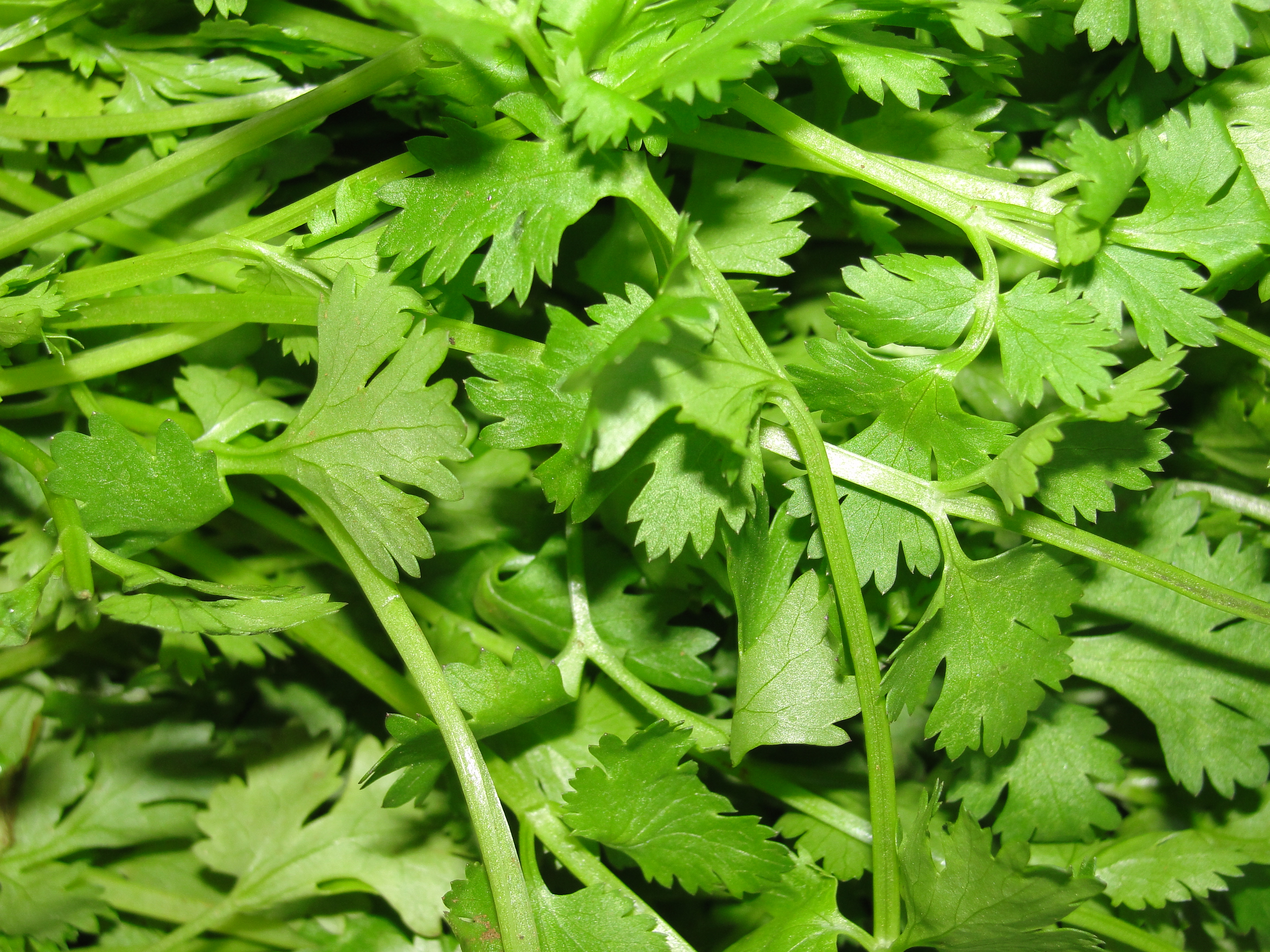
Description---It is an annual, with erect stems, 1 to 3 feet high, slender and branched. The lowest leaves are stalked and pinnate, the leaflets roundish or oval, slightly lobed. The segments of the uppermost leaves are linear and more divided. The flowers are in shortly-stalked umbels, five to ten rays, pale mauve, almost white, delicately pretty. The seed clusters are very symmetrical and the seeds fall as soon as ripe. The plant is bright green, shining, glabrous and intensely foetid.
Cultivation: Sow in mild, dry weather in April, in shallow drills, about 1/2 inch deep and 8 or 9 inches apart, and cover it evenly with the soil. The seeds are slow in germinating. The seeds may also be sown in March, in heat, for planting out in May.As the seeds ripen, about August, the disagreeable odour gives place to a pleasant aroma, and the plant is then cut down with sickles and when dry the fruit is threshed out. Constituents-Coriander fruit contains about 1 per cent of volatile oil, which is the active ingredient. It is pale yellow or colourless, and has the odour of Coriander and a mild aromatic taste. The fruit yields about 5 per cent of ash and contains also malic acid, tannin and some fatty matter.
Coriander fruit of the British Pharmacopoeia is directed to be obtained from plants cultivated in Britain, the fruit before being submitted to distillation being brushed or bruised.
The English-grown are said to have the finest flavour, though the Russian and German are the richest in oil. The Mogadore are the largest and brightest, but contain less oil, and the Bombay fruit, which are also large, are distinguished by their oval shape and yield the least oil of any.
Medicinal Action and Uses---Stimulant, aromatic and carminative. The powdered fruit, fluid extract and oil are chiefly used medicinally as flavouring to disguise the taste of active purgatives and correct their griping tendencies. It is an ingredient of the following compound preparations of the Pharmacopceia: confection, syrup and tincture of senna, and tincture and syrup of Rhubarb, and enters also into compounds with angelica gentian, jalap, quassia and lavender. As a corrigent to senna, it is considered superior to other aromatics.
If used too freely the seeds become narcotic.
Coriander water was formerly much esteemed as a carminative for windy colic.
- http://botanical.com/botanical/mgmh/c/corian99.html
- Oxford Advanced Learner's Dictionary.
- Daniel Zohary and Maria Hopf, Domestication of plants in the Old World, third edition (Oxford: Oxford University Press, 2000), pp. 205–206
- Fragiska, M. (2005). "Wild and Cultivated Vegetables, Herbs and Spices in Greek Antiquity". Environmental Archaeology 10 (1): 73–82.
- Chadwick, John (1976). The Mycenaean World. Cambridge University Press. p. 119.
Nitrogen, Phosphorus, Potassium Impotrance
Plants make most of their food by photosynthesis. But they also need mineralsto be healthy. Plants cannot make minerals. They get them from the soil. Some of the minerals they need include the following:

Nitrates
Nitrates provide nitrogen. Nitrogen helps plants grow. All living cells contain nitrogen. Nitrogen is also part of chlorophyll, the pigmentthat traps sunlight. No nitrogen means no photosynthesis. You can tell if a plant does not have enough nitrogen. It will be small. Its older leaves will be yellow.
Phosphorus
Phosphorus is important for photosynthesis, respiration, and growth. It encourages roots to grow well. You can tell if a plant does not have enough phosphorus. Its roots will be stunted. Its younger leaves will be purple.
Potassium
Potassium helps chemicals called enzymes to work. Enzymes are needed in photosynthesis and respiration. Potassium can also protect a plant from disease. You can tell if a plant does not have enough potassium. Its leaves will be yellow. They will have dead parts on them.
Fresh lettuce
 Among the easiest vegetables to grow, lettuces are
ideal for pots, where they can be more
easily protected from marauding slugs and
snails. The widest selection is available in seed form, and the cut-and-come-again types are ready to pick
just a few weeks after sowing. Try a mix
of lettuces for different textures and tastes.
Among the easiest vegetables to grow, lettuces are
ideal for pots, where they can be more
easily protected from marauding slugs and
snails. The widest selection is available in seed form, and the cut-and-come-again types are ready to pick
just a few weeks after sowing. Try a mix
of lettuces for different textures and tastes. Lettuces are not only delicious when picked fresh
from the garden, but they also make decorative
features in pots. Fill a container,
large or small, with some multi-purpose compost
and sow your seed thinly on the surface. In small containers, try to sow about three or four seeds of
butter, Romaine, and iceberg, which form
a heart, or just sprinkle cut-and-come-again
varieties more densely; you will not need to thin these out. Sow a few pots each week for a continuous
supply of leaves throughout the summer,
but remember that seeds will not germinate if the temperature is above 77°F
(25°C). When heart-forming varieties
reach an inch or so in height, thin them
out to appropriate spacings, which will be given on the packet of seeds,
or leave them a little closer.
Lettuces are not only delicious when picked fresh
from the garden, but they also make decorative
features in pots. Fill a container,
large or small, with some multi-purpose compost
and sow your seed thinly on the surface. In small containers, try to sow about three or four seeds of
butter, Romaine, and iceberg, which form
a heart, or just sprinkle cut-and-come-again
varieties more densely; you will not need to thin these out. Sow a few pots each week for a continuous
supply of leaves throughout the summer,
but remember that seeds will not germinate if the temperature is above 77°F
(25°C). When heart-forming varieties
reach an inch or so in height, thin them
out to appropriate spacings, which will be given on the packet of seeds,
or leave them a little closer.
CARING FOR LETTUCES
 Keep your lettuces well watered at all times,
especially in hot weather when you will
have to water daily, and move pots to a
slightly shaded spot in the height of the summer. Lack of water or too much heat will cause the plants to
“bolt” and produce long flowering
stems—the leaves then become bitter. However, do not allow the compost to become waterlogged or
the lettuces will rot. Most
multi-purpose composts contain enough nutrients
to sustain lettuces for a few weeks, but after that, give them a boost with a nitrogen-rich fertilizer formulated
for leafy crops. The main pests to look
out for are slugs and snails. Inspect plants every few days and pick off any
culprits.
Keep your lettuces well watered at all times,
especially in hot weather when you will
have to water daily, and move pots to a
slightly shaded spot in the height of the summer. Lack of water or too much heat will cause the plants to
“bolt” and produce long flowering
stems—the leaves then become bitter. However, do not allow the compost to become waterlogged or
the lettuces will rot. Most
multi-purpose composts contain enough nutrients
to sustain lettuces for a few weeks, but after that, give them a boost with a nitrogen-rich fertilizer formulated
for leafy crops. The main pests to look
out for are slugs and snails. Inspect plants every few days and pick off any
culprits.Differences b/w Animal- and Wind-Pollinated Plants?
Animal-Pollinated Plants
a)
Pollen is sticky and
heavy.
b)
Petals are brightly
colored.
c)
Stamens are inside
the flower.

Wind-Pollinated Plants
a)
Pollen is smooth and
light.
b)
Petals may be dull or
not present at all.

c)
Stamens hang outside
the flower.
WikiLeaks: US targets EU over GM crops
Written By Unknown on Tuesday, 1 January 2013 | 11:05


The right to know what you are eating
BY: Gary Hirshberg and Eric Schlosser
An unprecedented agricultural experiment is being conducted at America's dinner tables. While none of the processed food we ate 20 years ago contained genetically engineered ingredients, now 75 percent of it does - even though the long-term human health and environmental impacts are unknown. The Food and Drug Administration doesn't require labeling of genetically engineered foods. But as the current drive to get labeling on the ballot in California confirms, consumers want to know whether our food contains these revolutionary new things.
In 1992, the FDA ruled that genetically engineered foods didn't need independent safety tests or labeling requirements before being introduced. But one of its own scientists disagreed, warning there were "profound differences" with genetically engineered foods. Genetically engineered seed manufacturers were allowed to sell their products without telling consumers. A 2006 survey found that 74 percent of Americans had no idea that genetically engineered foods were already being sold.
Biotech companies have fought labeling, claiming genetically engineered crops are "substantially the same" and produce larger yields - both unproven claims. But genetically engineered crops have led to the increased use of pesticides, often sold by the same companies that make genetically engineered seeds.
About 94 percent of U.S. grown soybeans are genetically engineered and contain a gene that protects them against glyphosate, now the nation's most widely used pesticide. But glyphosate is becoming ineffective as "superweeds" become resistant to it, forcing farmers to use even stronger herbicides. Widespread adoption of genetically engineered corn has also led to pesticide resistance.
Almost all the research on the safety of genetically engineered foods has been conducted by the companies that sell them. The potential harm to developing fetuses is of concern. A study of pregnant women found genetically engineered corn toxins in 93 percent of the women and 80 percent of their unborn children. All of their umbilical cords had glyphosate residues. Biotech companies say genetically engineered crops aren't different - but defend their patent rights by arguing they're unique and that anybody who grows them without permission should be prosecuted. These companies want it both ways.
Genetically engineered crops are different. They often contain genetic material from different species. Some survive large doses of pesticide, others produce their own pesticide, and many do both. That's why they must be labeled. A label allows people to choose. It lets the free market, not industry lobbyists, determine the fate of genetically engineered foods. If genetically engineered foods are so great, companies that sell them should be proud to label them.
Fifty countries, including the European Union, require genetically engineered food labeling.
A recent poll found 93 percent of Americans think genetically engineered foods should be labeled. This month, 384,000 people signed a Just Label It ( www.justlabelit.org) petition urging the FDA to mandate genetically engineered food labeling nationally. The FDA justifies its refusal to label on an agency rule that requires labeling only if a food tastes or smells different or has a different nutritional value. The FDA should change that policy - or make an exception for genetically engineered foods, as it did for irradiated foods.
The FDA doesn't let pharmaceutical companies test new drugs on people without their informed consent. Consumers should have the same right to know when it comes to what they eat. But even the narrow dictates of that FDA rule shouldn't block the labeling of genetically engineered foods. Everything about how they were introduced and spread nationwide, without our knowledge or consent, leaves a bad taste in the mouth.
Read more: http://www.sfgate.com/opinion/openforum/article/The-right-to-know-what-you-are-eating-2289668.php#ixzz2GkPQyvKO
In 1992, the FDA ruled that genetically engineered foods didn't need independent safety tests or labeling requirements before being introduced. But one of its own scientists disagreed, warning there were "profound differences" with genetically engineered foods. Genetically engineered seed manufacturers were allowed to sell their products without telling consumers. A 2006 survey found that 74 percent of Americans had no idea that genetically engineered foods were already being sold.
Biotech companies have fought labeling, claiming genetically engineered crops are "substantially the same" and produce larger yields - both unproven claims. But genetically engineered crops have led to the increased use of pesticides, often sold by the same companies that make genetically engineered seeds.
About 94 percent of U.S. grown soybeans are genetically engineered and contain a gene that protects them against glyphosate, now the nation's most widely used pesticide. But glyphosate is becoming ineffective as "superweeds" become resistant to it, forcing farmers to use even stronger herbicides. Widespread adoption of genetically engineered corn has also led to pesticide resistance.
Almost all the research on the safety of genetically engineered foods has been conducted by the companies that sell them. The potential harm to developing fetuses is of concern. A study of pregnant women found genetically engineered corn toxins in 93 percent of the women and 80 percent of their unborn children. All of their umbilical cords had glyphosate residues. Biotech companies say genetically engineered crops aren't different - but defend their patent rights by arguing they're unique and that anybody who grows them without permission should be prosecuted. These companies want it both ways.
Genetically engineered crops are different. They often contain genetic material from different species. Some survive large doses of pesticide, others produce their own pesticide, and many do both. That's why they must be labeled. A label allows people to choose. It lets the free market, not industry lobbyists, determine the fate of genetically engineered foods. If genetically engineered foods are so great, companies that sell them should be proud to label them.
Fifty countries, including the European Union, require genetically engineered food labeling.
A recent poll found 93 percent of Americans think genetically engineered foods should be labeled. This month, 384,000 people signed a Just Label It ( www.justlabelit.org) petition urging the FDA to mandate genetically engineered food labeling nationally. The FDA justifies its refusal to label on an agency rule that requires labeling only if a food tastes or smells different or has a different nutritional value. The FDA should change that policy - or make an exception for genetically engineered foods, as it did for irradiated foods.
The FDA doesn't let pharmaceutical companies test new drugs on people without their informed consent. Consumers should have the same right to know when it comes to what they eat. But even the narrow dictates of that FDA rule shouldn't block the labeling of genetically engineered foods. Everything about how they were introduced and spread nationwide, without our knowledge or consent, leaves a bad taste in the mouth.
Gary Hirshberg is the president and CE-Yo of Stonyfield Yogurt. Eric Schlosser is the author of "Fast Food Nation" and co-producer of the documentary "Food, Inc."
Read more: http://www.sfgate.com/opinion/openforum/article/The-right-to-know-what-you-are-eating-2289668.php#ixzz2GkPQyvKO
Environmental benefits of Turf grasses/ Well-maintained Lawns
 Healthy well maintained lawns provide truly marvelous environmental benefits which contribute a lot to the world around it. Environmental benefits of Turf grasses/well-maintained lawns are as follows.Cooler and quieter: when the heat is on, Turf grass helps keep you cool. Street or sidewalk temperatures may reach 100oF or higher, but turf remains at 75o. This could mean that the front lawns on a block of eight houses perform the same cooling work as 70 tons of air-conditioning-enough to cool off homes.
 Turf also makes your life a bit quieter. It effectively absorbs and deflects sound. When combined with trees and other landscaping, a lawn can reduce harsh, unwanted noise to a distant murmur.Help in breathing: A healthy lawn us an amazingly efficient production system. Turf plants remove carbon dioxide from the air and produce oxygen in return. Just 625 square feet of turfgrass supplies all the oxygen a person needs for one day. An average home lawn of 5,000 square feet produces enough oxygen for eight people each day. In comparison, it takes two 100-foot trees to provide the same amount of oxygen for eight people.Soil saver: Turf grass controls erosion by knitting the soil together, trapping runoff water, and eliminating many of the problems caused by dust and mud. And it’s one of the more efficient water savers you will find in nature. A healthy lawn absorbs rainfall six time more effectively than does a wheat field.Dust trap: if you have ever walked through a dry, barren area, such as a construction site, on a windy day, you have some idea of what life might be like without healthy lawns. Clouds of windblown dust make for difficult breathing, irritated eyes, and reduced visibility. Turfgrass is an effective air cleanser. It shows the air moving across its surface, so that dust particles settle out onto the blades and are eventually washed back to the ground. Every year Turfgrass traps millions of tons of dust that would otherwise blow unrestricted.Pollution fighter: In one year’s time, the blades and roots in an acre of healthy turfgrass absorb hundreds of pounds of pollutants from the air and rainwater. Among them are sulpher dioxide, nitrogen oxide, hydrogen fluoride, nitrates, and other gases blamed for acid rain and greenhouse effect.A common misconception is that the products put on lawns contribute to groundwater contamination and to algae blooms in nearby ponds and lakes. The truth is that few materials get past grass roots. The dense root system under a healthy lawn captures pollutants as water filters through the soil.Safe surface: Perhaps the most important benefit is the recreational value lawns provide for young and old. Dense turf is a safer playground and playing field than nearly any other surface. It reduces the severity of many injuries and helps to cushion falls.


Tomato’s Genome Sequence Finally Cracked!
Written By Unknown on Sunday, 30 December 2012 | 08:35

1) The Genetic Code
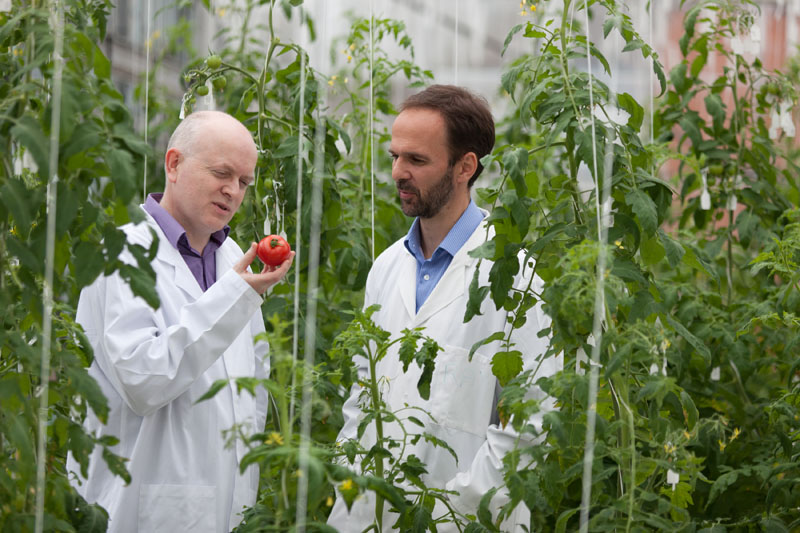
The full genome sequence of tomato, Solanum lycopersicum, has been named “Heinz 1706” and it has been published in the science journal “Nature.” Describing the details of the genetic code, the scientists said that all the 35,000 genes of tomato are well displayed in this sequence along with their functional parts, orientation, types, and relative positions. The researchers found that the tomatoes were made up of about 35,000 genes, arranged on 12 chromosomes and each of those genes is responsible for any characteristic that tomato shows. The “Nature” article describes the genetic results, “The tomato genome sequence provides insights into fleshy fruit evolution.” Apart from the domesticated or cultivated tomato, the researchers have also been able to crack the genetic sequence of its wild relative Solanum pimpinellifolium. James Giovannoni, who works at the “Boyce Thompson Institute for Plant Research at Cornell University," shows his excitement through words, “For any characteristic of the tomato, whether it’s taste, natural pest resistance or nutritional content, we’ve captured virtually all those genes.” Giovannoni further adds, “Tomato genetics underlies the potential for improved taste every home gardener knows and every supermarket shopper desires and the genome sequence will help solve this and many other issues in tomato production and quality.”
2) The Significance
In the US alone, tomatoes are worth $2 billion pie of the market share and Britain dabbles in $980 million worth of tomato business a year. In the rest of the world too, tomatoes are an inherent part of daily diet in all forms. Therefore, their consumption depends, to a large extent, on their quality. It is no wonder then that the scientists are excited about the possibilities arising out of knowing tomato’s genetic code. One of the main benefits would be for the researchers to identify links between tomato genes and the characteristics like taste, shape, color and nutrition level shown by various tomatoes. The scientists will also be able to pinpoint the specific environmental factors that enhance or affect the overall health of tomato crops. Graham Seymour, a member of the scientific team working on this project, and a professor of biotechnology at the “Nottingham University”, explains, “Tomatoes are one of the most important fruit crops in the world, both in terms of the volume that we eat and the vitamins, minerals and other phytochemicals that both fresh and processed tomato products provide to our diets.”
3) The Team 
It was an international collaboration between more than a dozen countries that was named the “Tomato Genomics Consortium” and was entrusted with the responsibility to identify the genetic sequence of this popular fruit/vegetable of the world. The researchers, who were members of this Consortium, belonged to various nationalities, such as Argentina, Germany, China, France, India, Israel, the Netherlands, South Korea, Italy, Spain, Belgium, Japan, United Kingdom, and the US.
4) The Future
It took the international Consortium many years and millions of dollars to find out the first genome sequence in case of tomato. However, the scientists are hopeful that further studies in this direction would yield results at a much less cost because they will have initial findings to work with. Besides, buoyed by the tomato findings, scientists are also ready to work on fruits like strawberries, apples, bananas, etc to identify their genome sequence and work for their improvement too. As Giovannoni explains, “Now we can start asking a lot more interesting questions about fruit biology, disease resistance, root development and nutritional qualities.”
Tomato has many health benefits, especially when eaten raw. Now armed with the genetic information, it is going to be much easier for the scientists to provide significant inputs to the farmers to grow better varieties of tomatoes as well as other fruits and vegetables. As for that cup of salsa, it is gonna get better now!
Read more at http://www.ifood.tv/blog/tomato-s-genome-sequence-finally-cracked#0p0AgEfPPI8EqMFi.99
Tomato Genome Decoded: Researchers To Publish Fruit's DNA Sequence In Full
Published: 05/30/2012 01:07 PM EDT on LiveScience
For years scientists have slaved away, trying to piece together the genes that make up the ripe, red goodness that is the tomato. They have finally published the fleshy fruit's genome in full.
The genome of any species is the DNA code that is stored as a blueprint inside every cell of every individual of that species. The DNA letters, called base pairs, are organized into genes, which are translated into proteins, the building blocks and machinery of every cell.
Decoding these genes can help researchers understand the different types of proteins found in organisms, and how these proteins make that species different from every other species. These kinds of insights from the genome could help crop researchers improve the yield, nutritional content, disease resistance, taste and color of tomatoes, they say.
"For any characteristic of the tomato, whether it's taste, natural pest resistance or nutritional content, we've captured virtually all those genes," study researcher James Giovannoni, of Cornell University, said in a statement. "Tomato genetics underlies the potential for improved taste every home gardener knows and every supermarket shopper desires and the genome sequence will help solve this and many other issues in tomato production and quality."
Generic and wild genomes
The researchers sequenced the genome of the tomato species Solanum lycopersicum, of the variety "Heinz 1706," as their type tomato. These tomatoes possess some 35,000 genes arranged on 12 chromosomes (large arrangements of hundreds of genes packed into one strand), the researchers said.
Knowing the sequence of one tomato can help seed companies and plant breeders get a grasp on what makes different varieties, like heirloom tomatoes, different from the generic grocery tomato.
Because the variability between two varieties is pretty small, it's easier to use the Heinz 1706 genome as a guide, and pinpoint the differences that lead to changes in color, taste, texture, size and shapethat distinguish one variety from another.
Tomato vs. potato
The genome is also important in learning why the tomato is so different from its genetic relatives in the nightshade family of flowering plants, which includes the potato, pepper and even coffee. Scientists want to know what genes have changed that gives each of these species their distinct flavor and look.
"Now we can start asking a lot more interesting questions about fruit biology, disease resistance, root development and nutritional qualities," Giovannoni said.
Tomatoes represent a $2 billion market in the United States alone. The USDA estimates that Americans consume, on average, more than 72 pounds (33 kilograms) of tomato products annually. Researchers have even developed a robot tomato harvester to go into space (or just use here on Earth).
The tomato decoded: holds more genes than humans
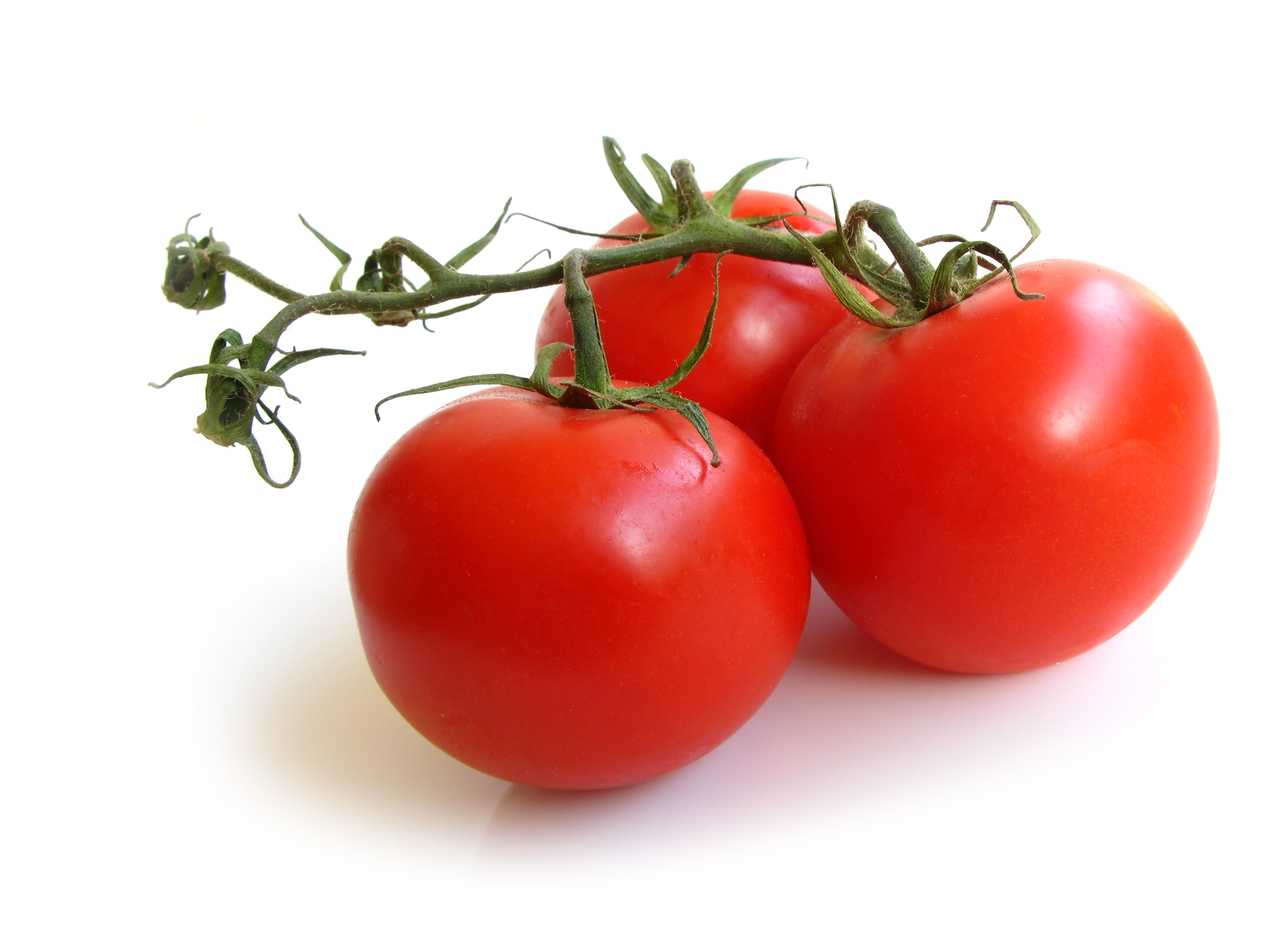
The tomato has always been a complex fruit. Or is it a vegetable? Either way. Tomato, tomahto, right?
The tomato, which is considered a fruit by botanists and a vegetable to the US government, has been demystified by a consortium of plant geneticists from 14 countries who spent nine years decoding the tomato genome with the hopes of breeding better, tastier fruits.
Specifically, the scientists sequenced the genomes of both Heinz 1706, a variety used to make ketchup, and the tomato’s closest wild relative, Solanum pimpinellifolium, which is grown in Peru, according to The New York Times.
The researchers reported that tomatoes possess some 35,000 genes arranged on 12 chromosomes. "For any characteristic of the tomato, whether it's taste, natural pest resistance or nutritional content, we've captured virtually all those genes," James Giovannoni, a scientist at the Boyce Thompson Institute for Plant Research, told Phys.org
Effects of Hoeing on Standing Crops that Reduce the yield

- By using recommend weedicide, at the pre emergence stage or post emergence stage for wheat, cotton, sugarcane, maiz, potato etc. weedicide dose can recommended by agrarian decision after field vist.
Pandimethelen@1000ml/acre, Acetacholor@500ml/acre, S-metolacholor etc.
ü Post emergence weedicides viz.
Bromoxinal+MCPA@500ml/acre, Cholodenafop@150gm/acre,
Fenoxaprop@500ml/acre, Fluroxypyr + MCPA@300gm/acre,
Isoproturon@800gm/acre, Atlantis@180gm/acre, glyphosate@150ml/16L water,
Paraquat (Gramaxone)@1000ml/acre.
- By using recommended soil supplements at both stages i.e. pre sowing and post sowing.
ü Humic acid, application of this recommended dose chemical in soil at pre and post sowing break the soil hard pan, active the bonded nutrients in soil, soil aeration by softening of soil.
ü By the application of balance macro and micro nutrient at sowing and post sowing time.
This method is very efficient to improve the soil structure and increase the crop yield for the earning of farmers, time saving and for country development.
By: Shehzad Ahmad Kang: Department of Plant Breeding and Genetics, University of Agriculture, Faisalabad, Pakistan,38040.
Corresponding author’s email; shehzadpbg@gmail.com
Mushrooms gain popularity in Germany
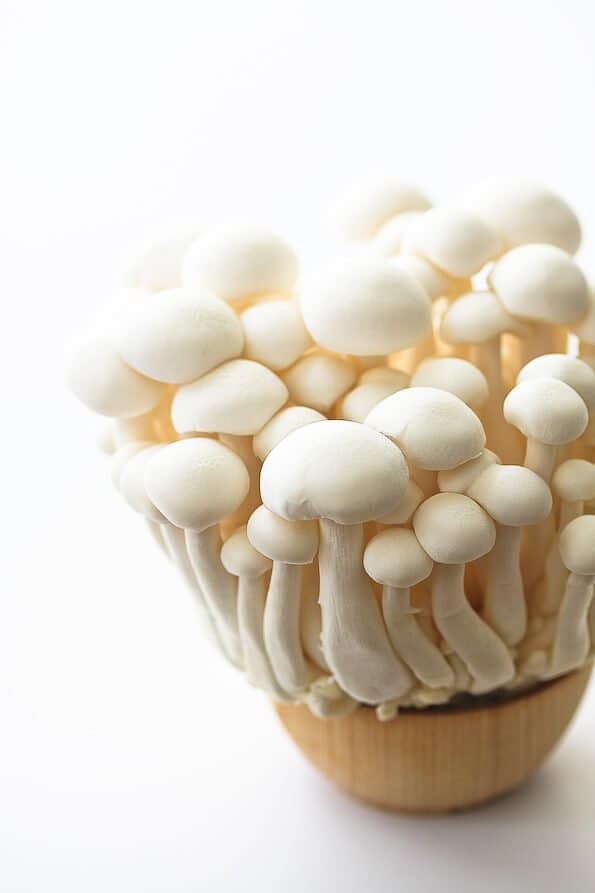 The German mushroom market saw some progress in 2011, after a clear rise in 2010. The consumption of industrial mushrooms has been going down for years, a fact that hasn’t changed in 2011. But in general, the market is a positive one, seeing as the sales of fresh mushrooms went up with 2% last year, and 8% before that. Brown mushrooms in particular are gaining popularity.
Over half of the German mushrooms are imported. Domestic cultivation was about 62,000 tons in 2011, some 2000 tons more than in 2010. Both Holland and Poland are the most important suppliers of mushrooms, with 30,000 tons each. Hungary, with just 500 tons, is in third place.
Source: Fresh plaza
Published on: 09/14/2012
New method to design better greenhouses

Arch greenhouses, parral greenhouses, Venlo greenhouses and wide roof greenhouses, the variation worldwide is enormous. When designing a greenhouse one must also choose between a large number of different construction elements, such as e.g. roofing materials, heating and cooling systems. Which kind of greenhouse the grower chooses and how the greenhouse is being fitted is amongst other things, dependent upon the outside climate, economic factors, legal issues, social circumstances and the presence of sources, such as water, energy and CO2. The choice in favour of one possibility very often has a direct influence on the other elements and also depends on the plants to be cultivated in the greenhouse. This makes it very difficult to optimize the design process.
Optimization design
Bram Vanthoor developed a design method, which dependent on the local climate and economic conditions, designs a greenhouse which supplies the maximum financial result. The method always includes local circumstances and takes eight design elements into consideration, namely greenhouse construction, roofing material, outside awnings, chalk materials, energy screen, heating system, cooling system and CO2 quantity dosing system.
The design method is based on three models, namely one greenhouse climate model, one plant model and an economic model. These models calculate, dependent on the variables supplied, the financial result. After that an optimalisation-algorithm adjusts the design step by step. In this way the financial result is maximised finally and the best greenhouse found.
The design method has been tested in Spain and in the Netherlands. The model was designed quite differently for both locations, but with realistic proposals for the most successful greenhouse in both instances. The Spanish greenhouse had a larger ventilation area and was specially built to prevent high temperatures, whilst in the colder Netherlands a higher working capacity and an energy screen were fitted. It became clear at both locations, that the economic performance of the greenhouse improves by a high percentage of light passing through and that an outside screen, geothermic heating and mechanical cooling make the result worse.
Perspective of the method
The method has in first instance been developed for tomatoes. Adjustment for other
plants is possible. The design method of the greenhouse can assist in optimizing the cultivation of plants in greenhouse further. It is also possible to establish the best location to build new greenhouse with the new approach and the results of the economic changes on the cultivation can be predicted. Bram Vanthoor in the meantime lives and works as a business developer for a horticultural supplier in Mexico. The acquired knowledge is used there to adapt greenhouse to the local conditons.
Source: Fresh plaza
Published on: 6/20/2011
Six Air Purifying House Plants
Written By Unknown on Saturday, 29 December 2012 | 09:01
 1. Bamboo Palm: According to NASA, it removes formaldahyde and is also said to act as a natural humidifier.
2. Snake Plant: Found by NASA to absorb nitrogen oxides and formaldahyde.
3. Areca Palm: One of the best air purifying plants for general air cleanliness.
4. Spider Plant: Great indoor plant for removing carbon monoxide and other toxins or impurities. Spider plants are one of three plants NASA deems best at removing formaldahyde from the air.
 5. Peace Lily: Peace lilies could be called the “clean-all.” They’re often placed in bathrooms or laundry rooms because they’re known for removing mold spores. Also know to remove formaldahyde and trichloroethylene.
6. Gerbera Daisy: Not only do these gorgeous flowers remove benzene from the air, they’re known to improve sleep by absorbing carbon dioxide and giving off more oxygen over night.
If you can't even put a plant in your living room because you say it is too much trouble, then you need to die and wait for the other life to bring sense in your spirits!!!
Just do it. Random people like our whole team here are trying to put you back on your feet.. we arent doing that because we've got nothing else to do. We have families, too. We have ALL OF YOUR EXCUSES but yet, we're here, with you.
Beware of artificial food coloring chemicals in pickles - it's what makes them appear more yellow
Beware of artificial food coloring chemicals in pickles - it's what makes them appear more yellowMonday, December 05, 2011 by: Selena Keegan
(NaturalNews)Pickles make great snacks, satisfying food cravings without throwing off your daily intake of calories, fats, sugars or carbohydrates. Like most fermented foods, natural pickles provide probiotic benefits. Unfortunately, most commercially sold pickle brands contain high fructose corn syrup and/or food dye.

Approximately 60%-70% of all dyes used in food and textile manufacturing are what are called azo dyes, processed from industrial waste. The ingredient responsible for the yellow color in many commercial pickles is the azo dye tartrazine, made from coal-tar derivatives. Many azo dyes are known to be mutagenic, meaning they cause mutations (changes in cell DNA). The National Cancer Institute has stated that mutagenic substances are carcinogens.
Vlasic Hamburger Dill Chips Pickles: cucumbers, water, distilled vinegar, salt, calcium chloride, sodium benzoate (preservative), natural, polysorbate 80, yellow 5.
Vlasic Homestyle Sweet Pickle Relish: cucumbers, high fructose corn syrup, distilled vinegar, salt, xanthan gum and guar gum, spice, calcium chloride, sodium benzoate (preservative), dehydrated red pepper, alum, natural flavor, polysorbate 80, yellow 5, blue 1.
Mt. Olive No Sugar Added Sweet Gherkins: cucumbers, water, vinegar, salt, calcium chloride, 0.1% sodium benzoate (preservative), alum, sucralose (splenda brand), xanthan gum, natural and artificial flavors, polysorbate 80, and fd&c yellow 5.
Nalley Bread and Butter Cucumber Chips: fresh cucumbers, high fructose corn syrup, vinegar, contains 2% or less of water, salt, spices, dehydrated onions, natural flavorings, calcium chloride, turmeric (color), polysorbate 80, yellow 5.
Milwaukee's Midget Kosher Dill Pickles: cucumber(s), water, salt, vinegar distilled, calcium chloride, garlic dehydrated, flavor(s) natural, polysorbate 80, yellow 5, potassium metabisulfite
Del-Dixi Hot Dill Pickles: cucumbers, water, vinegar, salt, red pepper, alum, calcium chloride, natural flavoring, sodium benzoate and potassium sorbate (preservatives), oleoresin turmeric & yellow #5 (colors), polysorbate 80 (emulsifier).
Heinz Polish Dill Spears: fresh cucumbers, water, distilled white vinegar, salt, calcium chloride, natural flavoring, polysorbate 80, fd&c yellow 5, garlic extract, acacia gum.
Sources for this article include:
http://www.naturalnews.com/029886_industrial_waste_pickle.html
http://www.wildfermentation.com/about.php?page=sandorkraut
http://www.foodrenegade.com/the-color-of-food-artificial-vs-natural/
http://www.nytimes.com/2011/03/30/health/policy/30fda.html?_r=2
http://www.nytimes.com/2011/04/03/weekinreview/03harris.html?amp
Learn more: http://www.naturalnews.com/034330_pickles_food_coloring_ingredients.html#ixzz2GQpVarhq
(NaturalNews)Pickles make great snacks, satisfying food cravings without throwing off your daily intake of calories, fats, sugars or carbohydrates. Like most fermented foods, natural pickles provide probiotic benefits. Unfortunately, most commercially sold pickle brands contain high fructose corn syrup and/or food dye.
Garnish your sandwich with cancer?
Food manufacturers dye pickles as a marketing ploy to enhance the shelf-appeal of their product, hoping consumers will choose the brightest pickles from the supermarket shelves. A few manufacturers using turmeric to create the yellowy tinge which makes green pickles appear brighter. However, as an April 2011 article in the New York Times noted, natural food dyes are "not as bright, cheap or stable as artificial colorings, which can remain vibrant for years."Approximately 60%-70% of all dyes used in food and textile manufacturing are what are called azo dyes, processed from industrial waste. The ingredient responsible for the yellow color in many commercial pickles is the azo dye tartrazine, made from coal-tar derivatives. Many azo dyes are known to be mutagenic, meaning they cause mutations (changes in cell DNA). The National Cancer Institute has stated that mutagenic substances are carcinogens.
What the government is doing
For most of its 74-year history, the FDA has viewed most food dyes as harmless. In March of 2011, the agency asked a panel of experts to review the evidence on the health safety of food dyes. The panel's findings will determine whether products containing food dyes should carry warnings. Many parents are concerned about dyes because products for children often contain these artificial colors and one of the suspected effects of them is hyperactivity in children.What we found
We researched several brands and types of pickle products to provide you with information to help you determine which products are safe. Interestingly, many of the manufacturers below do not provide ingredient lists on their websites; we had to visit retailers' sites to find these specifics. Below is a list of several products with their ingredients.Vlasic Hamburger Dill Chips Pickles: cucumbers, water, distilled vinegar, salt, calcium chloride, sodium benzoate (preservative), natural, polysorbate 80, yellow 5.
Vlasic Homestyle Sweet Pickle Relish: cucumbers, high fructose corn syrup, distilled vinegar, salt, xanthan gum and guar gum, spice, calcium chloride, sodium benzoate (preservative), dehydrated red pepper, alum, natural flavor, polysorbate 80, yellow 5, blue 1.
Mt. Olive No Sugar Added Sweet Gherkins: cucumbers, water, vinegar, salt, calcium chloride, 0.1% sodium benzoate (preservative), alum, sucralose (splenda brand), xanthan gum, natural and artificial flavors, polysorbate 80, and fd&c yellow 5.
Nalley Bread and Butter Cucumber Chips: fresh cucumbers, high fructose corn syrup, vinegar, contains 2% or less of water, salt, spices, dehydrated onions, natural flavorings, calcium chloride, turmeric (color), polysorbate 80, yellow 5.
Milwaukee's Midget Kosher Dill Pickles: cucumber(s), water, salt, vinegar distilled, calcium chloride, garlic dehydrated, flavor(s) natural, polysorbate 80, yellow 5, potassium metabisulfite
Del-Dixi Hot Dill Pickles: cucumbers, water, vinegar, salt, red pepper, alum, calcium chloride, natural flavoring, sodium benzoate and potassium sorbate (preservatives), oleoresin turmeric & yellow #5 (colors), polysorbate 80 (emulsifier).
Heinz Polish Dill Spears: fresh cucumbers, water, distilled white vinegar, salt, calcium chloride, natural flavoring, polysorbate 80, fd&c yellow 5, garlic extract, acacia gum.
What you can do
Your local health food coop may have a policy against selling foods containing dyes. Trader Joe's line of pickles does not contain any artificial dyes, and some brands, such as Clausen's Pickles, seem to stick with natural food coloring. You can also learn to make your own pickles -- pickling is a great skill to increase your level of food self-sufficiency. An excellent source of a wide range of pickling recipes, as well as instructions on other varieties of fermented foods, is Sandor Katz' book Wild Fermentation.Sources for this article include:
http://www.naturalnews.com/029886_industrial_waste_pickle.html
http://www.wildfermentation.com/about.php?page=sandorkraut
http://www.foodrenegade.com/the-color-of-food-artificial-vs-natural/
http://www.nytimes.com/2011/03/30/health/policy/30fda.html?_r=2
http://www.nytimes.com/2011/04/03/weekinreview/03harris.html?amp
Learn more: http://www.naturalnews.com/034330_pickles_food_coloring_ingredients.html#ixzz2GQpVarhq
Cucumber nutrition facts
Ever wonder how to beat the scorching summer heat? Remember humble crunchy cucumber! This wonderful, low calorie vegetable indeed has more nutrients to offer than just water and electrolytes.
The vegetable is one of the oldest cultivated crops and believed to be originating in the northern plains of Indian subcontinent. The plant is a creeper (vine) like other members of Cucurbita family, for example, gourds,squashes,melons,zucchini, etc.
Botanically; it belongs to the Cucurbitaceaefamily; and is known scientifically as Cucumis sativus.
Cucumber is easy to grow. Varieties, varying in size, shape, and color, are cultivated all around the world. In general, the fruit features dark-green skin, crispy moisture rich flesh, and small edible seeds concentrated at its core.
As in other squash members, cucumbers too are best-harvested young, tender and just short of reaching maturity, at the stage when they taste sweet, have crunchy texture, and unique flavor. If left uninterrupted, the fruit continues to grow in size, its skin becomes tougher and turns yellow, and seeds become hard and inedible. Fresh cucumbers are available throughout the season and can be eaten raw as is or in vegetable salads or juicing.
Armenian cucumbers (Cucumis melo var. flexuosus) are long, crispy, and thin-ribbed, curved, and have light green color. Although grouped botanically in the melon family, they appear and taste just like cucumbers.
 Miniature varieties such as gherkins, American-dills, and French-cornichonsare very small indeed and usually preferred in pickling.
 1.Quick pick me-up - Cucumbers are a good source of B vitamins. Put down your sodas and coffee and eat a cucumber slice.
2. Rehydrates body and replenishes daily vitamins - Cucumbers are 95 percent water, keeping the body hydrated while helping the body eliminate toxins. Cucumbers have most of the vitamins the body needs in a single day. Don't forget to leave the skin on because the skin contains a good amount of vitamin C, about 10 percent of the daily-recommended allowance.
3. Skin and hair care - If you don't like to eat the skin, it can be used for skin irritations and sunburns as aloe would be used. Place a slice over puffy eyes and its anti-inflammatory properties help reduce puffiness. The silicon and sulfur in cucumbers help to stimulate hair growth.
4. Fight cancers - Cucumber are known to contain lariciresinol, pinoresinol, and secoisolariciresinol. These three lignans have a strong history of research in connection with reduced risk of several cancer types, including breast cancer, ovarian cancer, uterine cancer and prostate cancer.
5. Home care - Eliminates a foggy mirror. Before taking a shower, rub a cucumber slice along a mirror and it will eliminate the mirror fogging up. Instead of WD40, take a cucumber slice and rub it along a squeaky hinge and your door will stop squeaking.
6. Relieves bad breath - Take a slice of cucumber and press it to the roof of your mouth with your tongue for 30 seconds, the phytochemcials will kill the bacteria in your mouth responsible for causing bad breath.
7. Hangover cure - To avoid a morning hangover or headache; eat a few cucumber slices before going to bed. Cucumbers contain enough sugar, B vitamins and electrolytes to replenish many essential nutrients, reducing the intensity of both hangover and headache.
8. Aids in weight loss and digestion - Due to its low calorie and high water content, cucumber is an ideal diet for people who are looking for weight loss. The high water content and dietary fiber in cucumbers are very effective in ridding the body of toxins from the digestive system, aiding digestion. Daily consumption of cucumbers can be regarded as a remedy for chronic constipation.
9. Cures diabetes, reduces cholesterol and controls blood pressure - Cucumber juice contains a hormone which is needed by the cells of the pancreas for producing insulin which has been found to be beneficial to diabetic patients. Researchers found that a compound called sterols in cucumbers may help reduce cholesterol levels. Cucumbers contain a lot of potassium, magnesium and fiber. These work effectively for regulating blood pressure. This makes cucumbers good for treating both low blood pressure and high blood pressure.
10. Promotes joint health, relieves gout and arthritis pain -Cucumber is an excellent source of silica, which is known to help promotes joint health by strengthening the connective tissues. They are also rich in vitamin A, B1, B6, C & D, Folate, Calcium, Magnesium, and Potassium. When mixed with carrot juice, they can relieve gout and arthritis pain by lowering the uric acid levels
Sorces:
http://www.healthonlinezine.info/15-health-benefits-of-cucumber.html
http://www.eatingwell.com
http://www.naturalnews.com/035719_cucumbers_anti-aging_vegetables.htmlhttp://www.nutrition-and-you.com/cucumber.html

The vegetable is one of the oldest cultivated crops and believed to be originating in the northern plains of Indian subcontinent. The plant is a creeper (vine) like other members of Cucurbita family, for example, gourds,squashes,melons,zucchini, etc.
Botanically; it belongs to the Cucurbitaceaefamily; and is known scientifically as Cucumis sativus.
Cucumber is easy to grow. Varieties, varying in size, shape, and color, are cultivated all around the world. In general, the fruit features dark-green skin, crispy moisture rich flesh, and small edible seeds concentrated at its core.
As in other squash members, cucumbers too are best-harvested young, tender and just short of reaching maturity, at the stage when they taste sweet, have crunchy texture, and unique flavor. If left uninterrupted, the fruit continues to grow in size, its skin becomes tougher and turns yellow, and seeds become hard and inedible. Fresh cucumbers are available throughout the season and can be eaten raw as is or in vegetable salads or juicing.
Armenian cucumbers (Cucumis melo var. flexuosus) are long, crispy, and thin-ribbed, curved, and have light green color. Although grouped botanically in the melon family, they appear and taste just like cucumbers.
Health benefits of Cucumber
- It is one of the very low calorie vegetables; provide just 15 calories per 100 g. It contains no saturated fats or cholesterol. Cucumber peel is a good source of dietary fiber that helps reduce constipation, and offer some protection against colon cancers by eliminating toxic compounds from the gut.
- It is a very good source of potassium, an important intracellular electrolyte. 100 g of cucumber provides 147 mg of potassium but only 2 mg of sodium. Potassium is a heart friendly electrolyte helps bring a reduction in total blood pressure and heart rates by countering effects of sodium.

- Cucumbers contains unique anti-oxidants in moderate ratios such as ß-caroteneand α-carotene, vitamin-C, vitamin-A,zea-xanthinand lutein. These compounds help act as protective scavengers against oxygen-derived free radicals and reactive oxygen species (ROS) that play a role in aging and various disease processes. Their total antioxidant strength, measured in terms of oxygen radical absorbance capacity (ORAC value), is 214 µmol TE/100 g.
- Cucumbers have mild diuretic property, which perhaps attributed to their free-water, and potassium and low sodium content. This helps in checking weight gain and high blood pressure.
- They surprisingly have a high amount of vitamin K, provides about 17 µg of this vitamin per 100 g. Vitamin-K has been found to have a potential role in bone strength by promoting osteotrophic (bone mass building) activity. It also has established role in the treatment of Alzheimer's disease patients by limiting neuronal damage in their brain.
1.Quick pick me-up - Cucumbers are a good source of B vitamins. Put down your sodas and coffee and eat a cucumber slice.2. Rehydrates body and replenishes daily vitamins - Cucumbers are 95 percent water, keeping the body hydrated while helping the body eliminate toxins. Cucumbers have most of the vitamins the body needs in a single day. Don't forget to leave the skin on because the skin contains a good amount of vitamin C, about 10 percent of the daily-recommended allowance.
3. Skin and hair care - If you don't like to eat the skin, it can be used for skin irritations and sunburns as aloe would be used. Place a slice over puffy eyes and its anti-inflammatory properties help reduce puffiness. The silicon and sulfur in cucumbers help to stimulate hair growth.
4. Fight cancers - Cucumber are known to contain lariciresinol, pinoresinol, and secoisolariciresinol. These three lignans have a strong history of research in connection with reduced risk of several cancer types, including breast cancer, ovarian cancer, uterine cancer and prostate cancer.
5. Home care - Eliminates a foggy mirror. Before taking a shower, rub a cucumber slice along a mirror and it will eliminate the mirror fogging up. Instead of WD40, take a cucumber slice and rub it along a squeaky hinge and your door will stop squeaking.
6. Relieves bad breath - Take a slice of cucumber and press it to the roof of your mouth with your tongue for 30 seconds, the phytochemcials will kill the bacteria in your mouth responsible for causing bad breath.
7. Hangover cure - To avoid a morning hangover or headache; eat a few cucumber slices before going to bed. Cucumbers contain enough sugar, B vitamins and electrolytes to replenish many essential nutrients, reducing the intensity of both hangover and headache.
8. Aids in weight loss and digestion - Due to its low calorie and high water content, cucumber is an ideal diet for people who are looking for weight loss. The high water content and dietary fiber in cucumbers are very effective in ridding the body of toxins from the digestive system, aiding digestion. Daily consumption of cucumbers can be regarded as a remedy for chronic constipation.
9. Cures diabetes, reduces cholesterol and controls blood pressure - Cucumber juice contains a hormone which is needed by the cells of the pancreas for producing insulin which has been found to be beneficial to diabetic patients. Researchers found that a compound called sterols in cucumbers may help reduce cholesterol levels. Cucumbers contain a lot of potassium, magnesium and fiber. These work effectively for regulating blood pressure. This makes cucumbers good for treating both low blood pressure and high blood pressure.
10. Promotes joint health, relieves gout and arthritis pain -Cucumber is an excellent source of silica, which is known to help promotes joint health by strengthening the connective tissues. They are also rich in vitamin A, B1, B6, C & D, Folate, Calcium, Magnesium, and Potassium. When mixed with carrot juice, they can relieve gout and arthritis pain by lowering the uric acid levels
Sorces:
http://www.healthonlinezine.info/15-health-benefits-of-cucumber.html
http://www.eatingwell.com
http://www.naturalnews.com/035719_cucumbers_anti-aging_vegetables.htmlhttp://www.nutrition-and-you.com/cucumber.html