Latest Post
Environmental benefits of Turf grasses/ Well-maintained Lawns
Written By Unknown on Tuesday, 1 January 2013 | 06:56
 Healthy well maintained lawns provide truly marvelous environmental benefits which contribute a lot to the world around it. Environmental benefits of Turf grasses/well-maintained lawns are as follows.Cooler and quieter: when the heat is on, Turf grass helps keep you cool. Street or sidewalk temperatures may reach 100oF or higher, but turf remains at 75o. This could mean that the front lawns on a block of eight houses perform the same cooling work as 70 tons of air-conditioning-enough to cool off homes.
 Turf also makes your life a bit quieter. It effectively absorbs and deflects sound. When combined with trees and other landscaping, a lawn can reduce harsh, unwanted noise to a distant murmur.Help in breathing: A healthy lawn us an amazingly efficient production system. Turf plants remove carbon dioxide from the air and produce oxygen in return. Just 625 square feet of turfgrass supplies all the oxygen a person needs for one day. An average home lawn of 5,000 square feet produces enough oxygen for eight people each day. In comparison, it takes two 100-foot trees to provide the same amount of oxygen for eight people.Soil saver: Turf grass controls erosion by knitting the soil together, trapping runoff water, and eliminating many of the problems caused by dust and mud. And it’s one of the more efficient water savers you will find in nature. A healthy lawn absorbs rainfall six time more effectively than does a wheat field.Dust trap: if you have ever walked through a dry, barren area, such as a construction site, on a windy day, you have some idea of what life might be like without healthy lawns. Clouds of windblown dust make for difficult breathing, irritated eyes, and reduced visibility. Turfgrass is an effective air cleanser. It shows the air moving across its surface, so that dust particles settle out onto the blades and are eventually washed back to the ground. Every year Turfgrass traps millions of tons of dust that would otherwise blow unrestricted.Pollution fighter: In one year’s time, the blades and roots in an acre of healthy turfgrass absorb hundreds of pounds of pollutants from the air and rainwater. Among them are sulpher dioxide, nitrogen oxide, hydrogen fluoride, nitrates, and other gases blamed for acid rain and greenhouse effect.A common misconception is that the products put on lawns contribute to groundwater contamination and to algae blooms in nearby ponds and lakes. The truth is that few materials get past grass roots. The dense root system under a healthy lawn captures pollutants as water filters through the soil.Safe surface: Perhaps the most important benefit is the recreational value lawns provide for young and old. Dense turf is a safer playground and playing field than nearly any other surface. It reduces the severity of many injuries and helps to cushion falls.


Tomato’s Genome Sequence Finally Cracked!
Written By Unknown on Sunday, 30 December 2012 | 08:35

1) The Genetic Code
The full genome sequence of tomato, Solanum lycopersicum, has been named “Heinz 1706” and it has been published in the science journal “Nature.” Describing the details of the genetic code, the scientists said that all the 35,000 genes of tomato are well displayed in this sequence along with their functional parts, orientation, types, and relative positions. The researchers found that the tomatoes were made up of about 35,000 genes, arranged on 12 chromosomes and each of those genes is responsible for any characteristic that tomato shows. The “Nature” article describes the genetic results, “The tomato genome sequence provides insights into fleshy fruit evolution.” Apart from the domesticated or cultivated tomato, the researchers have also been able to crack the genetic sequence of its wild relative Solanum pimpinellifolium. James Giovannoni, who works at the “Boyce Thompson Institute for Plant Research at Cornell University," shows his excitement through words, “For any characteristic of the tomato, whether it’s taste, natural pest resistance or nutritional content, we’ve captured virtually all those genes.” Giovannoni further adds, “Tomato genetics underlies the potential for improved taste every home gardener knows and every supermarket shopper desires and the genome sequence will help solve this and many other issues in tomato production and quality.”
2) The Significance
In the US alone, tomatoes are worth $2 billion pie of the market share and Britain dabbles in $980 million worth of tomato business a year. In the rest of the world too, tomatoes are an inherent part of daily diet in all forms. Therefore, their consumption depends, to a large extent, on their quality. It is no wonder then that the scientists are excited about the possibilities arising out of knowing tomato’s genetic code. One of the main benefits would be for the researchers to identify links between tomato genes and the characteristics like taste, shape, color and nutrition level shown by various tomatoes. The scientists will also be able to pinpoint the specific environmental factors that enhance or affect the overall health of tomato crops. Graham Seymour, a member of the scientific team working on this project, and a professor of biotechnology at the “Nottingham University”, explains, “Tomatoes are one of the most important fruit crops in the world, both in terms of the volume that we eat and the vitamins, minerals and other phytochemicals that both fresh and processed tomato products provide to our diets.”
3) The Team 
It was an international collaboration between more than a dozen countries that was named the “Tomato Genomics Consortium” and was entrusted with the responsibility to identify the genetic sequence of this popular fruit/vegetable of the world. The researchers, who were members of this Consortium, belonged to various nationalities, such as Argentina, Germany, China, France, India, Israel, the Netherlands, South Korea, Italy, Spain, Belgium, Japan, United Kingdom, and the US.
4) The Future
It took the international Consortium many years and millions of dollars to find out the first genome sequence in case of tomato. However, the scientists are hopeful that further studies in this direction would yield results at a much less cost because they will have initial findings to work with. Besides, buoyed by the tomato findings, scientists are also ready to work on fruits like strawberries, apples, bananas, etc to identify their genome sequence and work for their improvement too. As Giovannoni explains, “Now we can start asking a lot more interesting questions about fruit biology, disease resistance, root development and nutritional qualities.”
Tomato has many health benefits, especially when eaten raw. Now armed with the genetic information, it is going to be much easier for the scientists to provide significant inputs to the farmers to grow better varieties of tomatoes as well as other fruits and vegetables. As for that cup of salsa, it is gonna get better now!
Read more at http://www.ifood.tv/blog/tomato-s-genome-sequence-finally-cracked#0p0AgEfPPI8EqMFi.99
Tomato Genome Decoded: Researchers To Publish Fruit's DNA Sequence In Full
Published: 05/30/2012 01:07 PM EDT on LiveScience
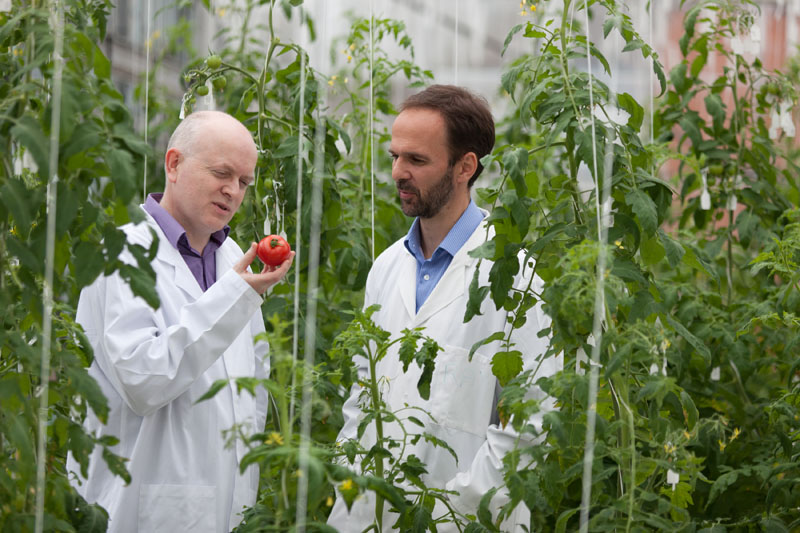
For years scientists have slaved away, trying to piece together the genes that make up the ripe, red goodness that is the tomato. They have finally published the fleshy fruit's genome in full.
The genome of any species is the DNA code that is stored as a blueprint inside every cell of every individual of that species. The DNA letters, called base pairs, are organized into genes, which are translated into proteins, the building blocks and machinery of every cell.
Decoding these genes can help researchers understand the different types of proteins found in organisms, and how these proteins make that species different from every other species. These kinds of insights from the genome could help crop researchers improve the yield, nutritional content, disease resistance, taste and color of tomatoes, they say.
"For any characteristic of the tomato, whether it's taste, natural pest resistance or nutritional content, we've captured virtually all those genes," study researcher James Giovannoni, of Cornell University, said in a statement. "Tomato genetics underlies the potential for improved taste every home gardener knows and every supermarket shopper desires and the genome sequence will help solve this and many other issues in tomato production and quality."
Generic and wild genomes
The researchers sequenced the genome of the tomato species Solanum lycopersicum, of the variety "Heinz 1706," as their type tomato. These tomatoes possess some 35,000 genes arranged on 12 chromosomes (large arrangements of hundreds of genes packed into one strand), the researchers said.
Knowing the sequence of one tomato can help seed companies and plant breeders get a grasp on what makes different varieties, like heirloom tomatoes, different from the generic grocery tomato.
Because the variability between two varieties is pretty small, it's easier to use the Heinz 1706 genome as a guide, and pinpoint the differences that lead to changes in color, taste, texture, size and shapethat distinguish one variety from another.
Tomato vs. potato
The genome is also important in learning why the tomato is so different from its genetic relatives in the nightshade family of flowering plants, which includes the potato, pepper and even coffee. Scientists want to know what genes have changed that gives each of these species their distinct flavor and look.
"Now we can start asking a lot more interesting questions about fruit biology, disease resistance, root development and nutritional qualities," Giovannoni said.
Tomatoes represent a $2 billion market in the United States alone. The USDA estimates that Americans consume, on average, more than 72 pounds (33 kilograms) of tomato products annually. Researchers have even developed a robot tomato harvester to go into space (or just use here on Earth).
The tomato decoded: holds more genes than humans
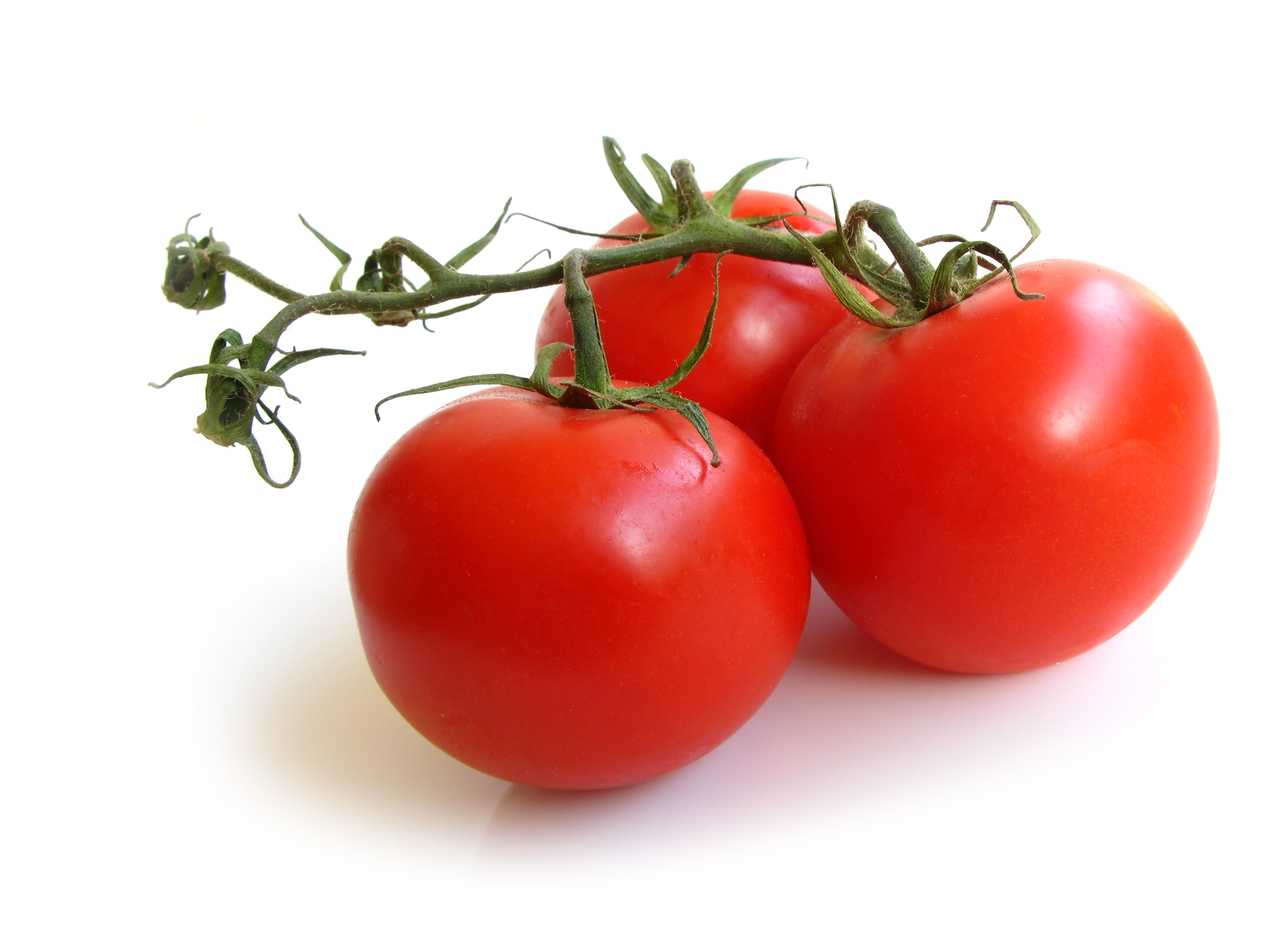
The tomato has always been a complex fruit. Or is it a vegetable? Either way. Tomato, tomahto, right?
The tomato, which is considered a fruit by botanists and a vegetable to the US government, has been demystified by a consortium of plant geneticists from 14 countries who spent nine years decoding the tomato genome with the hopes of breeding better, tastier fruits.
Specifically, the scientists sequenced the genomes of both Heinz 1706, a variety used to make ketchup, and the tomato’s closest wild relative, Solanum pimpinellifolium, which is grown in Peru, according to The New York Times.
The researchers reported that tomatoes possess some 35,000 genes arranged on 12 chromosomes. "For any characteristic of the tomato, whether it's taste, natural pest resistance or nutritional content, we've captured virtually all those genes," James Giovannoni, a scientist at the Boyce Thompson Institute for Plant Research, told Phys.org
Effects of Hoeing on Standing Crops that Reduce the yield

- By using recommend weedicide, at the pre emergence stage or post emergence stage for wheat, cotton, sugarcane, maiz, potato etc. weedicide dose can recommended by agrarian decision after field vist.
Pandimethelen@1000ml/acre, Acetacholor@500ml/acre, S-metolacholor etc.
ü Post emergence weedicides viz.
Bromoxinal+MCPA@500ml/acre, Cholodenafop@150gm/acre,
Fenoxaprop@500ml/acre, Fluroxypyr + MCPA@300gm/acre,
Isoproturon@800gm/acre, Atlantis@180gm/acre, glyphosate@150ml/16L water,
Paraquat (Gramaxone)@1000ml/acre.
- By using recommended soil supplements at both stages i.e. pre sowing and post sowing.
ü Humic acid, application of this recommended dose chemical in soil at pre and post sowing break the soil hard pan, active the bonded nutrients in soil, soil aeration by softening of soil.
ü By the application of balance macro and micro nutrient at sowing and post sowing time.
This method is very efficient to improve the soil structure and increase the crop yield for the earning of farmers, time saving and for country development.
By: Shehzad Ahmad Kang: Department of Plant Breeding and Genetics, University of Agriculture, Faisalabad, Pakistan,38040.
Corresponding author’s email; shehzadpbg@gmail.com
Mushrooms gain popularity in Germany
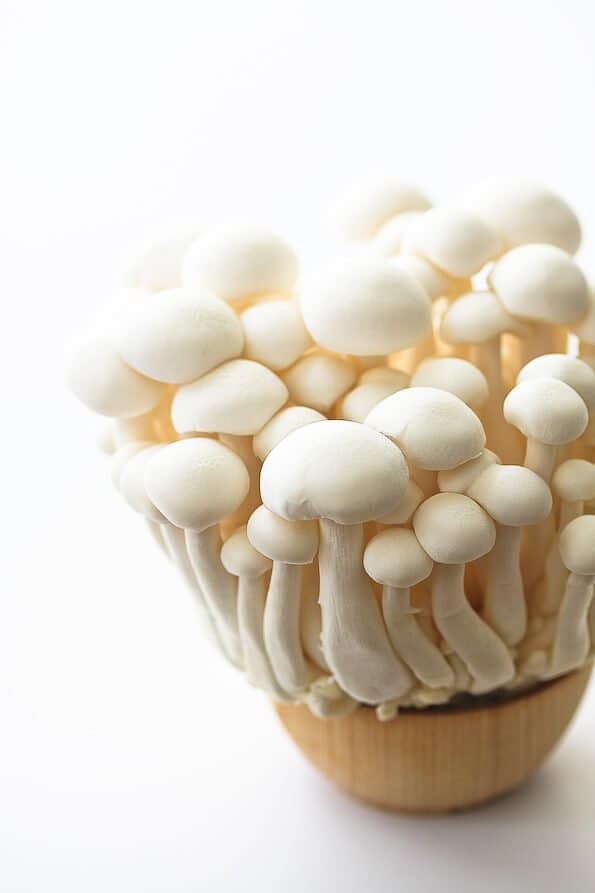 The German mushroom market saw some progress in 2011, after a clear rise in 2010. The consumption of industrial mushrooms has been going down for years, a fact that hasn’t changed in 2011. But in general, the market is a positive one, seeing as the sales of fresh mushrooms went up with 2% last year, and 8% before that. Brown mushrooms in particular are gaining popularity.
Over half of the German mushrooms are imported. Domestic cultivation was about 62,000 tons in 2011, some 2000 tons more than in 2010. Both Holland and Poland are the most important suppliers of mushrooms, with 30,000 tons each. Hungary, with just 500 tons, is in third place.
Source: Fresh plaza
Published on: 09/14/2012


